The Role of Automation in Enhancing Swiss CNC Machining Efficiency
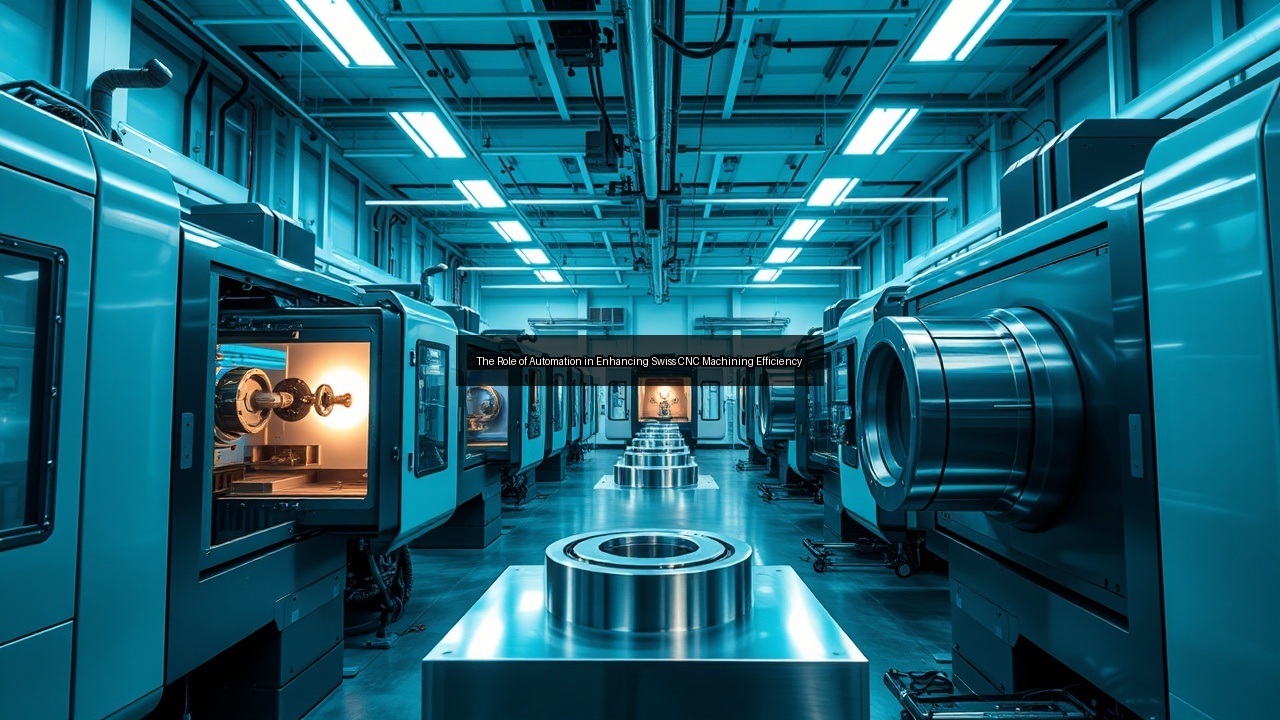
The Evolution of Swiss CNC Machining
History of Swiss Machining Technology
Swiss CNC machining has a rich history that dates back to the late 19th century. Originating in Switzerland, this precise machining technique was initially developed for the production of small, intricate parts, particularly for watchmaking. The unique capabilities of Swiss lathes allowed manufacturers to produce components with exceptional accuracy and repeatability. Over the decades, this technology evolved, integrating advanced tools and techniques to meet the growing demands of various industries. The combination of skilled craftsmanship and innovative machining processes positioned Swiss CNC machining as a benchmark for quality in the global manufacturing landscape.
Advancements in CNC Machines
The evolution of CNC machines has played a crucial role in enhancing the capabilities of Swiss CNC machining. Early machines were primarily manual, requiring skilled operators to control each aspect of the machining process. However, advancements in computer-aided design (CAD) and computer numerical control (CNC) technology transformed these machines into sophisticated, automated tools. Modern CNC machines can execute complex geometries with precision, allowing manufacturers to produce intricate components with minimal human intervention. Features such as multi-axis machining and advanced tooling have further increased the versatility and efficiency of Swiss CNC machining processes.
Transition from Manual to Automated Processes
The transition from manual to automated processes cnc machining centers in Swiss CNC machining marked a significant turning point in manufacturing. Operators previously relied on manual skills to input dimensions and control operations, which limited production speeds and introduced variability. Automation enables CNC machines to perform tasks with high accuracy and repeatability. Automated Swiss lathes, for instance, can rapidly produce parts with tight tolerances and consistent quality. The shift not only enhances efficiency but also reduces the potential for human error, making automated processes essential in today’s competitive manufacturing environment.
Key Benefits of Automation in Swiss CNC Machining
Increased Production Speeds
Automation significantly boosts production speeds in cnc machining process Swiss CNC machining. Automated machines operate continuously without the need for breaks, resulting in higher output rates. Unlike traditional manual methods, automated CNC machines execute programmed instructions swiftly and accurately, enabling manufacturers to meet tight deadlines. The ability to run multiple machines simultaneously further accelerates production timelines. This increased efficiency allows companies to respond promptly to market demands while maintaining high-quality standards. As a result, businesses can scale operations and expand their market share, positioning themselves as leaders in the manufacturing sector.
Enhanced Precision and Tolerances
One of the most compelling benefits of automation in Swiss CNC machining is the enhanced precision and tolerances it offers. Automated CNC machines utilize advanced software and tools to achieve extremely tight tolerances, often within microns. This level of accuracy is critical in industries such as aerospace and medical device manufacturing, where even the slightest deviation can lead to significant issues. Automated processes eliminate human error, ensuring that every component meets stringent quality specifications. The result is a consistent output of high-quality machined parts that meet the exacting standards required in these demanding applications.
Reduction in Labor Costs
Automation in Swiss CNC machining contributes to a notable reduction in labor costs. By minimizing the need for manual intervention, manufacturers can allocate their workforce more efficiently. Automated machines handle repetitive tasks, enabling skilled operators to focus on higher-level responsibilities, such as programming and quality control. This shift not only optimizes labor utilization but also reduces operational costs associated with training and managing a larger workforce. As a result, companies can enhance their profitability while investing in technology that drives further efficiency gains and innovation.
Applications of Automated Swiss CNC Machining
Aerospace Industry Requirements
The aerospace industry demands components that adhere to the highest standards of quality and precision, making automated Swiss CNC machining an ideal fit. Parts such as bushings, brackets, and fasteners require meticulous attention to detail and must meet strict regulatory requirements. Automated Swiss lathes excel in producing these components, as they can easily handle complex geometries and maintain tight tolerances. With the added benefit of reduced production times, aerospace manufacturers can respond more effectively to evolving industry needs while ensuring safety and reliability in their products.
Medical Device Manufacturing
In the medical device sector, the need for precision is paramount. Automated Swiss CNC machining plays a vital role in the production of critical components such as surgical instruments and implants. These devices often require intricate designs and exact specifications to ensure they function correctly within the human body. Automation ensures that each component is machined with high precision, reducing the risk of defects. Furthermore, the ability to track and document each step of the machining process enhances quality control, which is essential for compliance with industry regulations and standards.
Oil and Gas Sector Demands
The oil and gas industry relies on machined components that can withstand extreme conditions, including high pressures and corrosive environments. Automated Swiss CNC machining provides the necessary robustness and precision to produce parts such as valves, fittings, and connectors. These components often require specialized materials and precise tolerances to ensure functionality and safety in critical applications. Automation streamlines the cnc machining processes production process, allowing manufacturers to produce high-quality parts efficiently, even in high-volume scenarios. This capability is essential for meeting the rigorous demands of exploration and production in the oil and gas sector.
The Future of Swiss CNC Machining with Automation
Emerging Technologies and Software Innovations
The future of Swiss CNC machining rests on the integration of emerging technologies and software innovations. Artificial intelligence (AI) and machine learning are beginning to play a pivotal role in optimizing machining processes. These technologies allow machines to learn from previous operations, enhancing their efficiency and accuracy over time. Additionally, advancements in software enable better simulation and modeling, helping manufacturers predict potential issues before they arise. This proactive approach to machining not only improves production outcomes but also reduces waste and downtime, driving further efficiencies in the manufacturing process.
Impact on Quality Control
Automation will significantly impact quality control in Swiss CNC machining. Real-time monitoring systems can detect deviations from specified tolerances during the machining process, allowing for immediate adjustments. This capability minimizes defects and reduces the need for extensive post-production inspections. With integrated quality control systems, manufacturers can ensure that every component meets stringent industry standards. This shift towards proactive quality management enhances overall efficiency, reduces costs associated with rework, and bolsters customer confidence in the products produced.
Sustainable Manufacturing Practices
Sustainability is becoming increasingly important in manufacturing, and Swiss CNC machining is no exception. Automation enables manufacturers to optimize material usage, reducing waste and energy consumption. Advanced CNC machines can operate more efficiently, leading to lower carbon footprints. Additionally, the ability to recycle and repurpose materials is enhanced through precise machining processes. As companies strive to meet environmental regulations and standards, adopting automated Swiss CNC machining practices will be essential in achieving sustainable manufacturing goals. Embracing these technologies not only benefits the environment but also positions companies favorably in an increasingly eco-conscious market.